
THE CHANNING GRAY FOUNDATION
Join us as we provide healing through the transformative power of equine-assisted therapy to those suffering from psychological trauma.
Our team provides a sanctuary for recovery that catalyzes emotional breakthroughs and fosters lasting emotional and psychological wellness.

What We Do
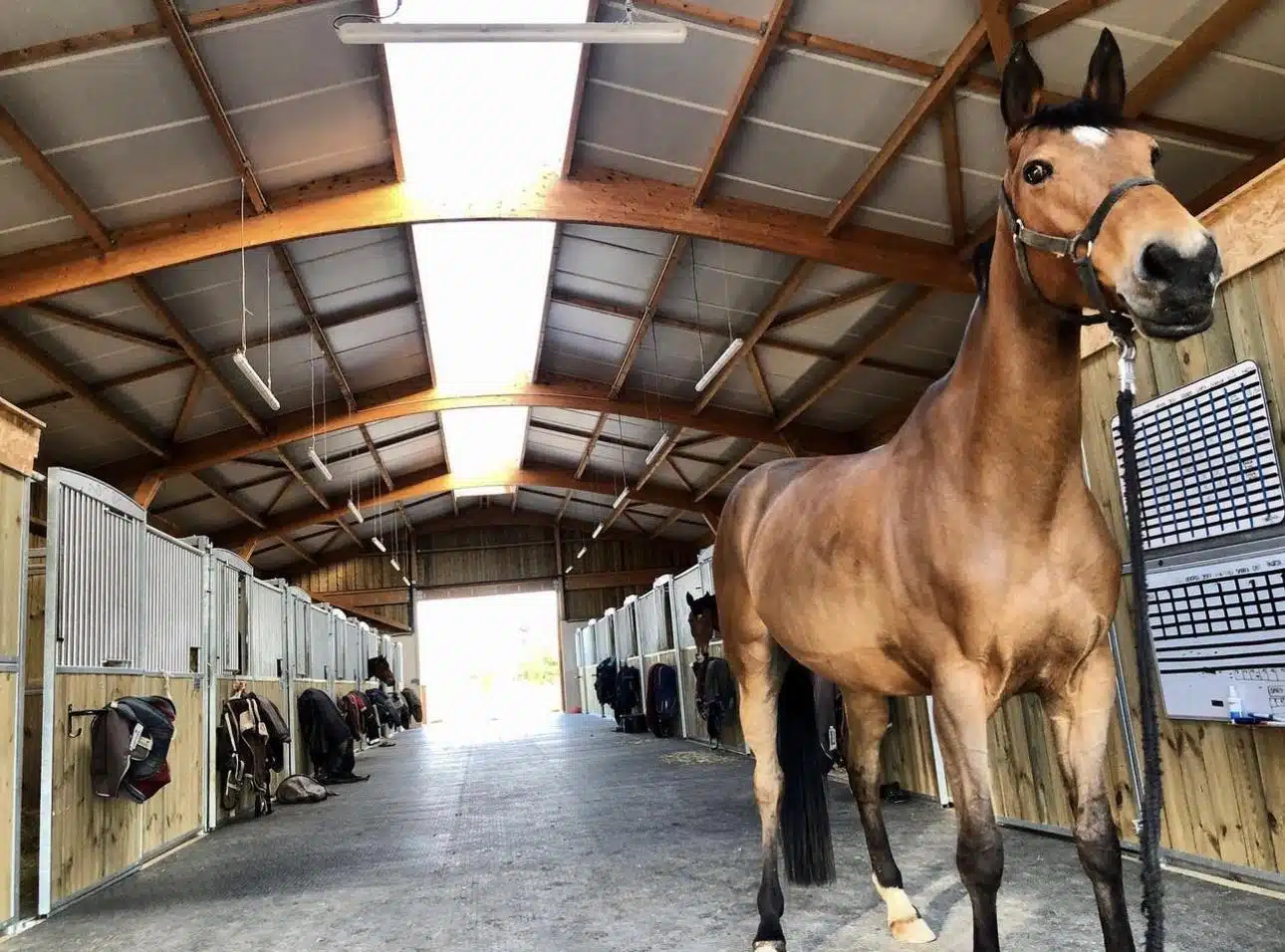
Advocacy
Advocacy plays a pivotal role in the recovery process, empowering individuals by providing a voice and ensuring their needs and rights are recognized and addressed. It facilitates access to resources, support services, and interventions.
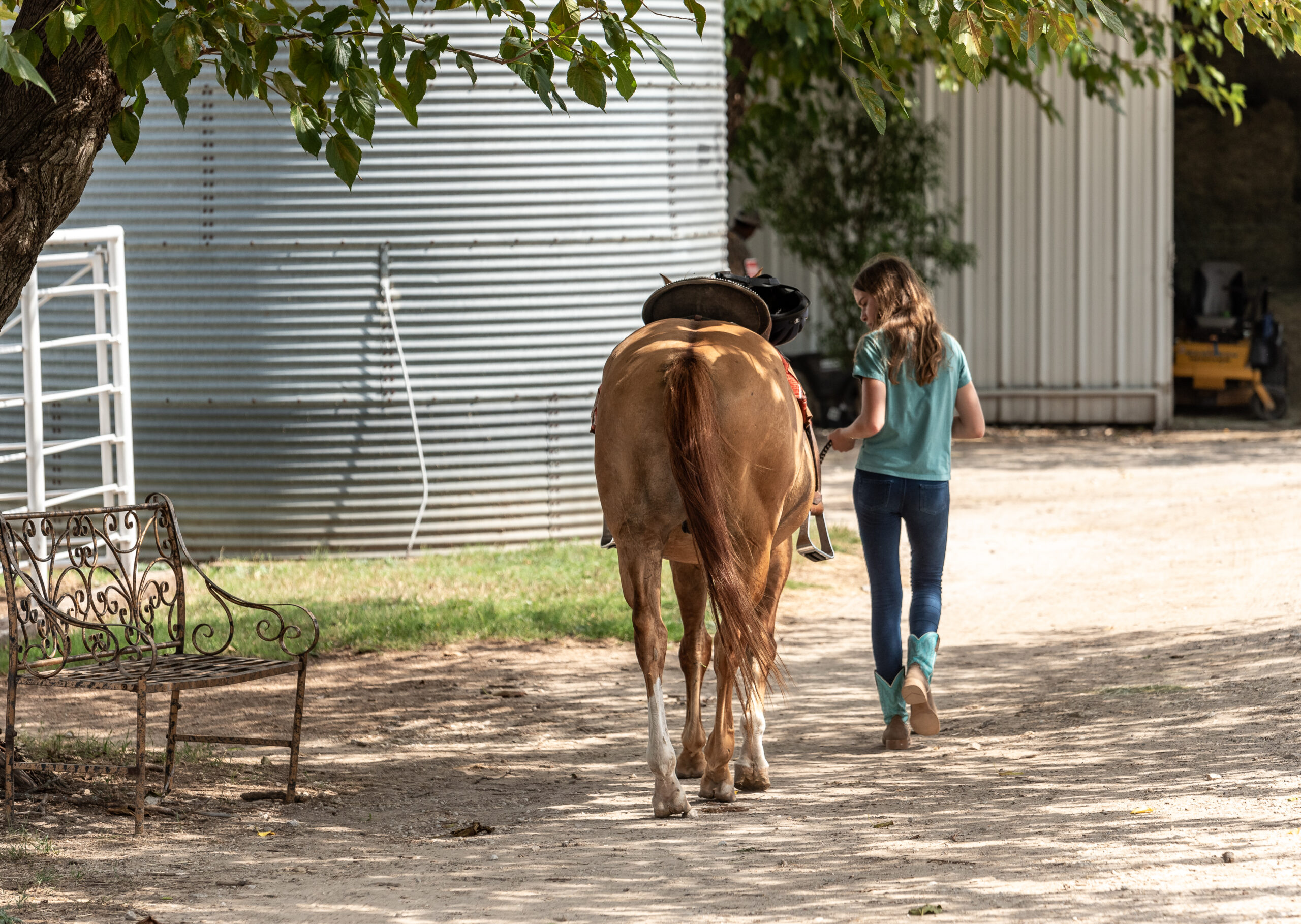
Equine Therapy
Program exercises are carefully designed to alleviate bodily stress and restore the system that regulates the brain’s chemical balance.
Counseling

Science of Equine Therapy
At the Channing Gray Foundation, sensory therapy has become a cornerstone in understanding the body–brain connection and supporting trauma recovery. This approach addresses cognitive challenges involving perception, reasoning, judgment, and memory, with foundations in kinesiology, neurophysiology, and sensory integration.
Sensory therapy specifically engages three critical brain regions often impacted by trauma: the amygdala, the prefrontal cortex, and the hippocampus. Chronic stress may overstimulate or disrupt these regions, making rational thinking and decision-making difficult. Through carefully designed therapeutic activities in partnership with horses, participants begin to restore normal brain function, improving their ability to focus, process emotions, and make life choices with greater clarity.
How Trauma Affects Us
Safety & Regulation
Trauma can lock the nervous system into hyperarousal (fight/flight) or shutdown (freeze), leading to anxiety, hypervigilance, and emotional swings that feel tough to control.
How we help: Horses offer immediate, honest feedback without judgment. Participants learn to notice their state and co-regulate with the horse, which supports emotional regulation and eases stress.
Connection & Trust
Exploitation and betrayal erode trust, making relationships feel unsafe and triggering fear, withdrawal, or people-pleasing. Therapy depends on a strong, reliable bond.
How we help: Horses offer clear, nonverbal honesty. Starting with simple, low-pressure contact, participants foster trust gradually. They experience trust as shared and voluntary, and that learning enhances human connections.
Agency & Growth
Trauma narrows a person’s sense of choice and control, so life feels reactive instead of self-directed. Hyperactive alarm responses can crowd out problem-solving and make decisions feel overwhelming.
How we help: Equine skill practice builds embodied confidence and agency that transfer to everyday communication, boundary-setting, and decision-making.